Understanding Dog Shaking
Why Is My Dog Shaking or Trembling?
Shaking can sometimes be harmless — but it may also signal pain, poisoning, illness, anxiety, or emergency conditions.
Australian Vets
100% based in Australia
Online Tonight
Available After Hours
Dogs & Cats
All pets, all sizes
After Hours
When You Need Us Most
Common Causes of Dog Shaking

Anxiety or Stress
Dogs may shake during fear, stress, separation anxiety, or unfamiliar situations.

Cold Temperature
Some dogs tremble simply because they are cold, especially smaller or short-haired breeds.

Poisoning or Toxin Exposure
Exposure to toxic foods, plants, or chemicals can trigger shaking and emergency symptoms.

Neurological Disorders
Certain nerve or brain conditions may cause muscle tremors or unusual movements.

Muscle Weakness in Senior Dogs
Older dogs can develop shaking due to age-related muscle weakness or joint problems.

Pain or Injury
Shaking can occur when dogs experience pain from injuries, arthritis, or internal discomfort.

Nausea or Digestive Upset
Digestive problems, vomiting, or nausea may cause trembling or shivering.

Fever or Infection
Dogs with infections or fever may tremble alongside tiredness and reduced appetite.

Seizures or Tremors
Some shaking episodes may be linked to seizure activity or neurological tremor disorders.

Fear From Loud Noises
Thunderstorms, fireworks, or loud sounds can trigger trembling in sensitive dogs.
Emergency Warning Signs

Difficulty breathing

Vomiting with Shaking

Seizures or collapse

Suspected Poisoning

Common Concerns About Dog Shaking
Explore answers to frequently asked questions about why dogs shake and when to seek professional help.
Why is my dog shaking suddenly?
Dogs may suddenly shake due to anxiety, pain, cold temperatures, nausea, poisoning, fever, or neurological conditions. Sudden shaking alongside vomiting, weakness, breathing changes, or collapse should be assessed urgently by a veterinarian.
Why is my dog shaking but acting normal?
Some dogs may tremble temporarily from excitement, stress, cold weather, or mild anxiety while otherwise behaving normally. Persistent or repeated shaking should still be monitored closely and discussed with a veterinarian.
Why is my dog shaking and vomiting?
Shaking and vomiting together may indicate digestive upset, toxin exposure, pain, infection, or more serious illness. Dogs showing both symptoms should be monitored carefully and may require veterinary assessment.
Can anxiety cause my dog to shake?
Yes. Fear, stress, thunderstorms, fireworks, separation anxiety, and unfamiliar situations can cause dogs to tremble or shake temporarily.
Is dog shaking a sign of pain?
Yes. Dogs experiencing pain from injury, arthritis, abdominal discomfort, or illness may shake or tremble as a response to discomfort.
When should I worry about my dog shaking?
You should contact a veterinarian if shaking is severe, persistent, sudden, or associated with vomiting, weakness, breathing difficulty, collapse, seizures, or suspected poisoning.
Can poisoning make dogs tremble?
Yes. Exposure to toxic foods, medications, chemicals, or plants can cause trembling, vomiting, seizures, weakness, or other emergency symptoms in dogs.
Why is my senior dog shaking?
Older dogs may shake due to arthritis, muscle weakness, pain, neurological conditions, or age-related health issues. Persistent shaking in senior dogs should be evaluated by a veterinarian.
Should I take my dog to the vet for shaking?
Dogs with ongoing, severe, or unusual shaking should be assessed by a veterinarian, particularly if other symptoms such as vomiting, lethargy, pain, or breathing changes are present.
Why is my dog shivering at night?
Night-time shivering may occur due to cold temperatures, anxiety, discomfort, illness, or pain. Persistent or repeated shaking should be discussed with a veterinarian.
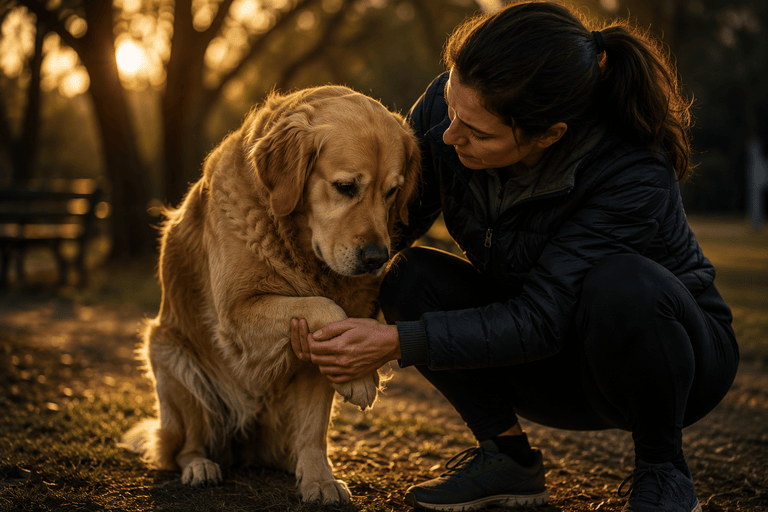
Pet Limping Treatment
Australian Registered Vet for your loved one
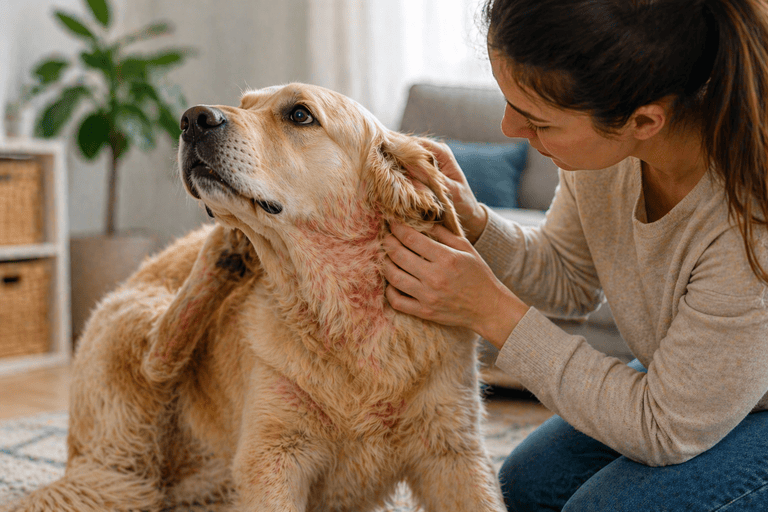
Pet Skin Allergy & Itching
Find more about you pet’s Skin Allergy and itching

Pet Poisoning
Find out about Dogs and cats poisoning

Pet Vomiting & Diarrhea
Your guide through Vomiting & Diarrhea
Because they rely on you
You Know Your Dog Best. We're Here to Help.
When your dog isn’t feeling right, answers and support can make all the difference. Get trusted guidance from Australian vets.